
Thoughts · Natural Frequencies
Found in translation
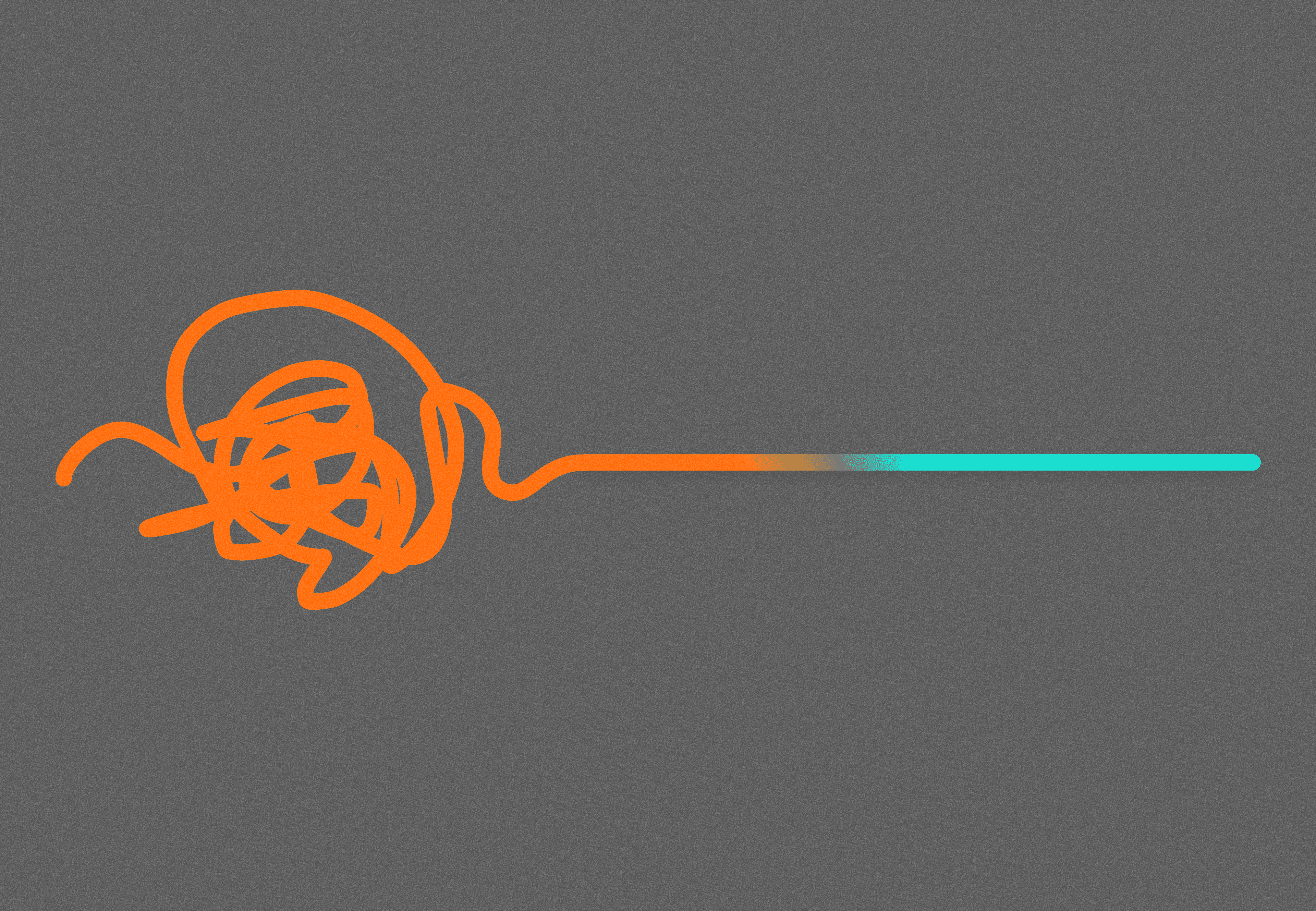
AI can generate more messaging and marketing options in an afternoon than a small team used to produce in a week. Layouts, headlines, full page flows — all of it. But options aren’t solutions, and the resulting pile of material can be overwhelming, making the real problem more obvious: somebody still has to make sense of it all.
The Startup That Couldn’t Tell Its Own Story
A couple of years ago, I had a startup client with a complicated product, big market opportunity, big money raised — the whole deal. The request was simple: "We need a website."
But every stakeholder had a different idea of what it needed to do. Business priorities shifted week to week. Every design I presented landed with a thud — not because they were bad, but because the clients couldn’t agree on what the site needed to say. I was trying to tell a story they couldn’t tell themselves.
After a couple rounds of this, I was at my wit’s end. I told them we needed to go back to the strategy drawing board before we touched another layout or headline.
So that’s what we did. We spent time talking through their business — prioritizing who they were actually serving, the problems they were solving and what mattered most right now versus six months from now. Once that was clear, the messaging clicked. It even helped them sharpen their business beyond the site itself.
Before Creative, You Need Clarity
The request always sounds straightforward. "We need a new website." "We need sharper messaging." "We need a rebrand." But underneath that, the offering is fuzzy. The value prop is muddy. Different people inside the company have completely different answers to what the business actually is.
When you’ve done this long enough, you learn to head this off at the pass. No amount of AI-generated options are going to fix a clarity problem.
Once Clear, AI Can Help
Once the business actually makes sense — to the team, not just to the founder — then you can conceptualize. Not "let’s try a few directions and see what sticks." A real creative concept. A clear angle you can build everything around.
With that foundation, AI is genuinely useful. It can expand messaging, sketch structures, explore layouts in minutes. It gives you range and speed on demand. It cuts production time. It lets you test directions without burning a week. It helps you explore without committing prematurely.
Without that foundation? AI produces deceptively decent-looking garbage. It will happily generate ten different ways to say the wrong thing and waste everyone’s time.
Refinement Is Still a Human Job
AI can generate all day. But knowing what to keep, what to cut, what to tighten, and what to throw away — that’s judgment. And when generation is easy, you can’t hide behind effort or volume. Everything you deliver has to earn its place.
It’s recognizing when something feels generic. Seeing where messaging falls apart under scrutiny. Knowing when to push for a stronger angle instead of accepting the first decent draft.
That doesn’t come from reading a thread about prompts. It comes from reps. Years of positioning conversations. Watching what lands and what doesn’t. Sitting in the room when a client says, "That’s it," and knowing why that one worked.
AI gives you raw material fast. Humans shape it into something that actually means something.
The Translation Layer
Most businesses don’t have an output problem anymore. They can generate "pretty good" material all day long. But "pretty good" doesn’t close deals, raise rounds, convert, or make anyone remember your name.
If you want creative that’s actually effective — not just polished-looking filler — someone has to lead. Someone who can walk into a messy situation, find the real story, set a direction, and hold the line on that direction as every decision stacks up.
Creative directors have always been translators between the suits and the artists. That hasn’t changed. The tools are faster now, but AI didn’t eliminate the need for a translator — it’s made it painfully obvious when you don’t have one.
How this was made
| Layer | George | AI |
|---|---|---|
| Concept | 85 | 15 |
| Direction | 85 | 15 |
| Research | 75 | 25 |
| Structure | 55 | 45 |
| Voice | 75 | 25 |
| Wording | 45 | 55 |
| Authorship | 81 | 19 |
- Foundation reliance
- 50 → −15% applied to AI
- Foundation used
- voice + style rules, project context
- Confidence
- Low
How the score works: Who wrote this, really?
Get on the list
Get Natural Frequencies delivered to your inbox directly. Unsubscribe anytime.
What are you working on?
Let’s chat about what you’re making and where you need support. If I can help, we’ll chat about how. If I’m not a good fit, I’ll let you know.
15 minutes to see if we’re a fit.